
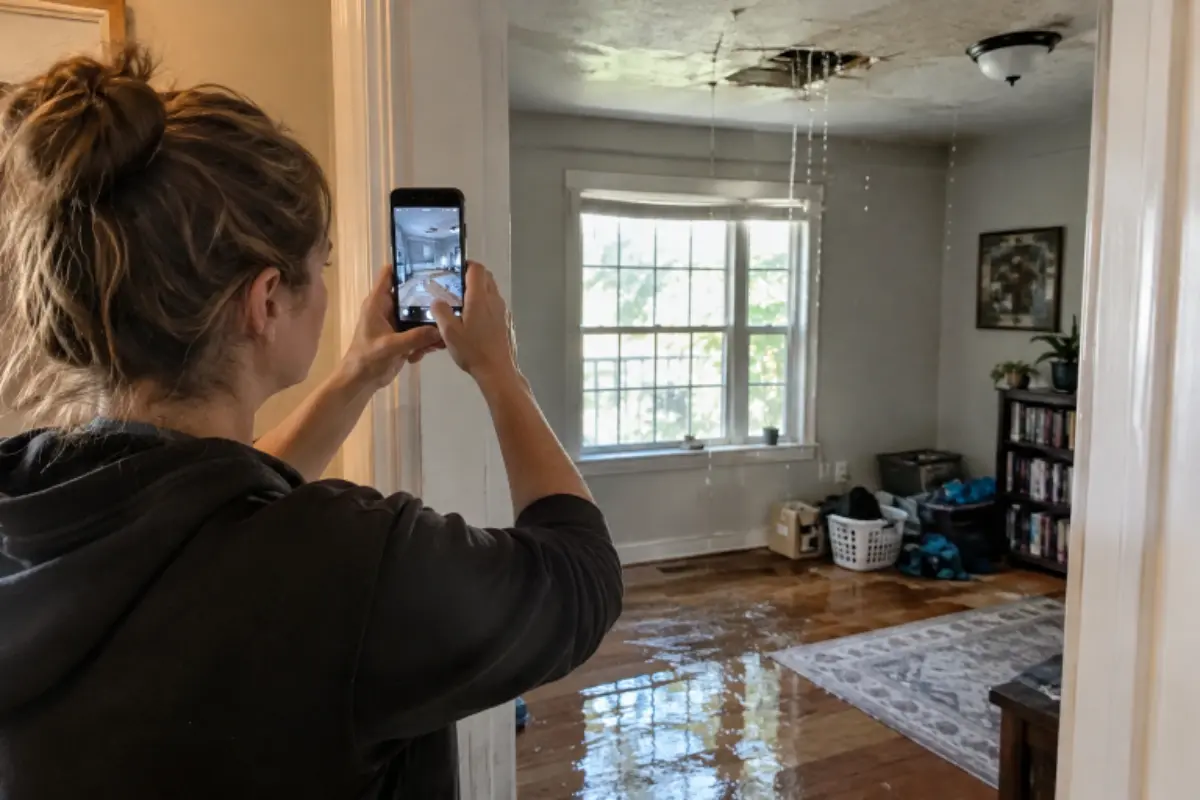
What To Do in the First 24 Hours After Water Damage in Asheboro, North Carolina
A broken supply line, an overflowing appliance, a roof leak, or a storm-related intrusion can quickly turn into a stressful home emergency. For homeowners, the priority after water damage is not saving every item. It is protecting people from electrical, structural, and contamination hazards while limiting additional moisture exposure.
A calm, organized response can make the next steps easier. Focus first on getting everyone to a safe area, stopping the source when it is safe to do so, documenting what happened, and beginning appropriate drying or arranging help for situations that require more than a basic household cleanup.
Why the First 24 Hours Matter
Water does not always remain where it first appears. It can move below flooring, behind baseboards, into cabinets, and through ceiling or wall materials. The EPA advises drying a water-damaged home and its contents within 24 to 48 hours when possible, because materials that remain wet may develop mold growth or become harder to clean and restore.
Drying time depends on the amount and source of water, indoor humidity, air movement, temperature, and the materials involved. A floor that feels dry on top may still hold moisture underneath, so visual inspection alone is not always enough.
First: Make the Area Safe
Do not enter standing water if outlets, electrical panels, appliances, cords, or exposed wiring may be involved. The CDC recommends avoiding wet electrical equipment and unsafe buildings after a disaster. Leave the area immediately if you smell gas, see a sagging ceiling, notice cracked walls, or believe the floor is unstable. Keep children, pets, and vulnerable household members away until the space is safe.
Stop the Water at the Source
If conditions are safe, stop the flow before cleanup begins. In the event of a burst pipe or an unknown plumbing leak, you may need to close the main water valve. A toilet, sink, washing machine, or dishwasher may have a nearby shutoff valve. Never climb onto a wet or damaged roof to address a leak. When wind, heavy rain, or fallen limbs are involved, storm damage restoration may be needed after the immediate safety hazards have been addressed.
Document the Damage Before Cleanup
Before moving major items, take wide photos of each affected room and close-up images of wet flooring, walls, ceilings, furniture, and damaged fixtures. Record a short video and describe when the problem was discovered, the likely source, and when the water was stopped. Keep notes, receipts, contractor information, and damaged-item lists together. If an item poses a health hazard, remove it safely after documenting it.
Remove Standing Water and Wet Belongings
For a Small Clean-Water Spill
When the water came from a clean source and the affected area is small, homeowners may be able to use towels, buckets, or a wet-dry vacuum on hard surfaces. Lift area rugs, move light belongings to a dry space, and place plastic or foil under furniture legs to reduce contact with wet flooring.
When Basic Cleanup Is Not Enough
Use extra caution when water has soaked carpet padding, drywall, insulation, subfloors, cabinets, or wall cavities. Large losses, water near electrical systems, and moisture in crawl spaces or ceilings often require equipment and assessment methods that go beyond household supplies. Avoid lifting heavy, waterlogged furniture alone.
Dry Hidden Moisture, Not Just Visible Surfaces
Once electricity is confirmed safe and the water is not contaminated, fans and dehumidifiers may help with drying. Open interior doors and closets to improve air movement when appropriate. Do not run the HVAC system if floodwater has entered the ducts or equipment, and do not use fans in areas where visible mold is already present, as airflow can spread mold spores. Moisture meters and other inspection tools can help identify damp materials behind walls, under flooring, or inside cabinetry.
Know the Difference Between Clean and Contaminated Water
- Clean water may come from a supply pipe or an appliance line before it comes into contact with contaminants.
- Gray water may contain soap, food residue, or household chemicals, such as water from some appliances or sink overflows.
- Black water includes sewage, floodwater, and water that may contain waste or other harmful contaminants.
Avoid direct contact with contaminated water. Wear appropriate protective gear when cleanup is necessary, and do not assume water from outdoors is clean. People with asthma, allergies, or weakened immune systems should be especially cautious around damp or moldy materials.
What Not to Do After Water Damage
- Do not walk through water near electrical equipment, and do not attempt to reach a wet electrical panel.
- Do not paint, caulk, or cover materials that are still damp.
- Do not mix bleach with ammonia or other cleaning products.
- Do not use fuel-powered generators indoors, in garages, or near openings into the home.
- Do not remove walls, ceilings, or structural materials without considering utilities, wiring, and possible instability.
- Do not assume a dry-looking room is completely dry behind finished surfaces.
When to Call a Professional
Bring in qualified help when water covers more than a small area, comes from sewage or flooding, reaches walls or flooring, affects electrical systems, or leaves strong odors, staining, or visible mold. Professional assessment is also sensible when the source is unknown, the structure appears damaged, or drying requires more than safe household fans and a dehumidifier.
Prepare for Insurance Conversations
Contact your insurer as soon as practical and ask what documentation it needs. Keep photos, videos, receipts, claim numbers, notes from conversations, and any repair or moisture records. Take reasonable steps to prevent further damage when it is safe, but avoid disposing of valuable items before documenting them unless they create a health or safety risk.
A Simple First-Day Timeline
- First 15 minutes: Move people and pets to safety, avoid electrical hazards, and stop the water if safe to do so.
- First hour: Photograph the damage, notify appropriate utilities or repair professionals, and contact the insurer if needed.
- Hours 1 through 4: Remove loose belongings, extract surface water where safe to do so, and separate wet items from dry areas.
- Hours 4 through 12: Check nearby rooms, closets, baseboards, and ceilings for spreading moisture.
- Hours 12 through 24: Continue safe drying and watch for swelling, staining, musty odors, or new signs of damage.
Conclusion
The first day after water enters a home is about safety, documentation, and moisture control. Stop the source when possible, avoid risks of electric shock or contamination, protect belongings, and address hidden moisture before it becomes a larger issue. When the damage is extensive, contaminated, or difficult to evaluate, getting qualified help can provide a safer path forward.